

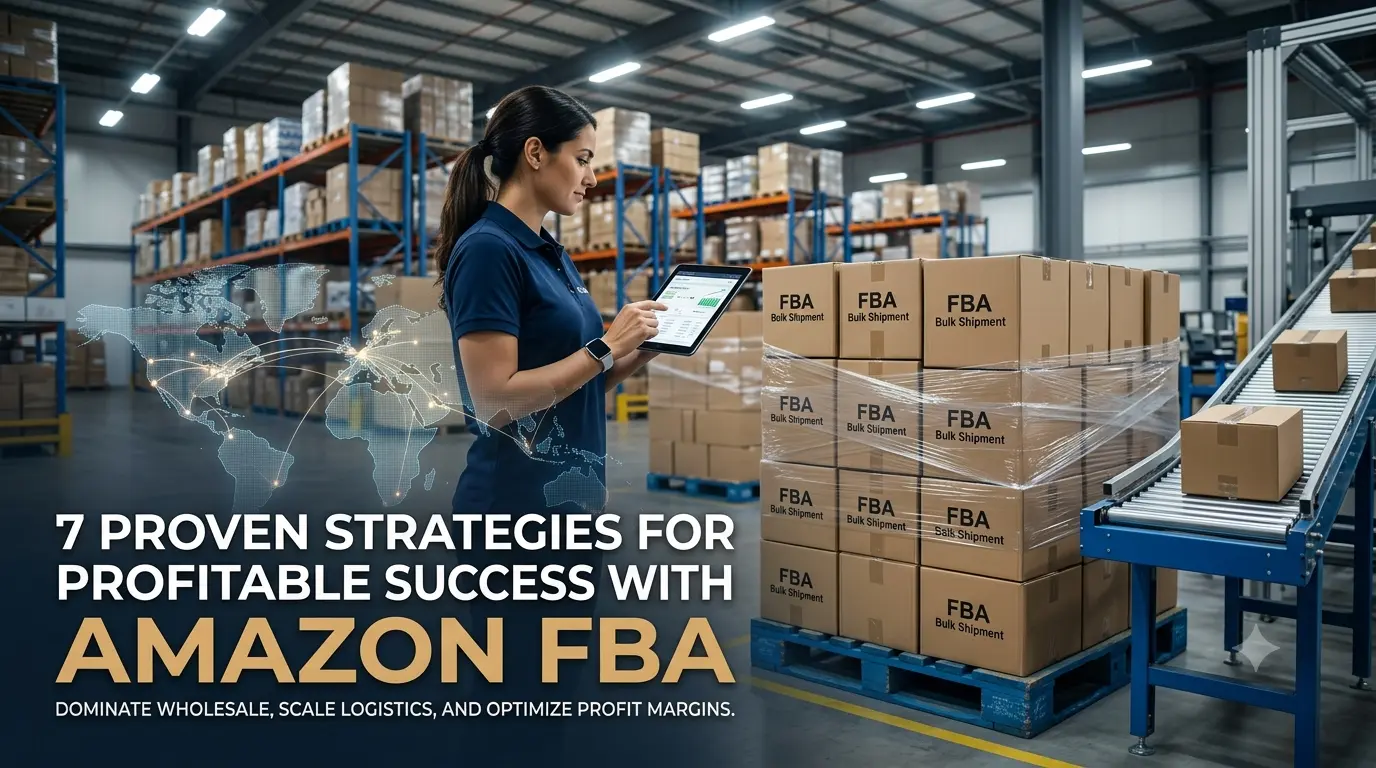
The e-commerce landscape is shifting rapidly, demanding higher efficiency and smarter logistics from online business owners. For modern enterprises aiming to scale their digital sales without getting bogged down by daily fulfillment operational headaches, leveraging Amazon fba remains an unmatched operational strategy. Fulfillment by Amazon completely transforms how retail and wholesale operations operate by shifting warehousing, packaging, shipping, and customer support directly onto Amazon’s global logistics network.
Navigating this ecosystem successfully requires more than just opening a basic seller account. It demands a highly strategic approach to supply chains, a deep understanding of bulk purchasing dynamics, and flawless coordination with reliable B2B supplier partners. Whether your company operates as a bulk supplier or a growing retail merchant, mastering the nuances of the fulfillment network is critical to establishing a lasting competitive edge. This comprehensive guide breaks down the core operational components required to scale your business using the fulfillment network while protecting your profit margins.
The Mechanics of Amazon fba for Wholesale Scaling
To build a sustainable enterprise model, a business must grasp how the operational flow functions when dealing with bulk inventory. Instead of shipping single packages to retail buyers, wholesale brands move high-volume freight orders directly into centralized fulfillment centers.
Wholesale Supplier ➔FBA Fulfillment Center ➔ Amazon Logistics ➔ End Customer
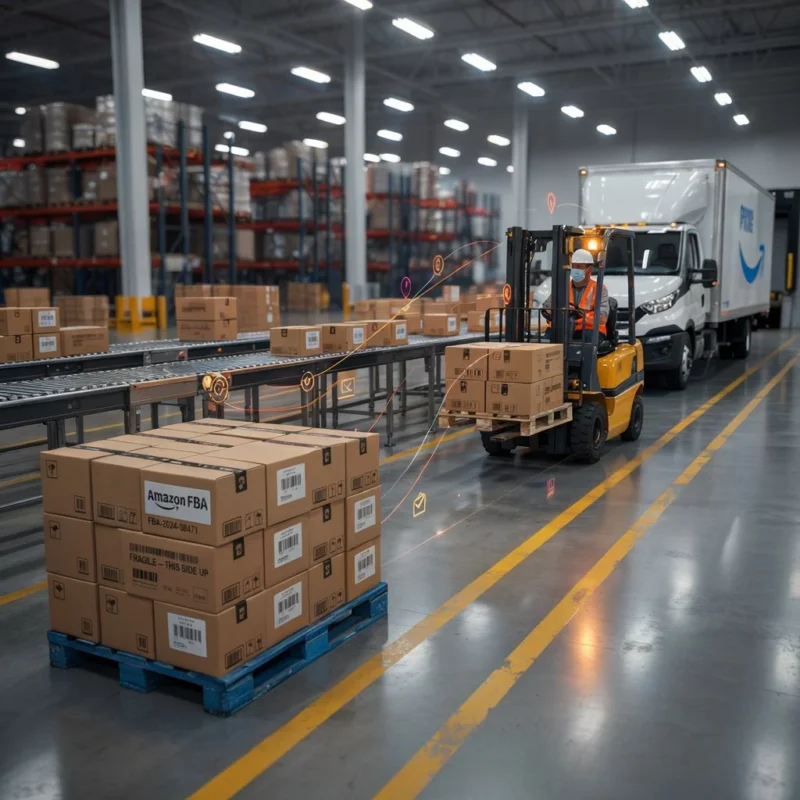
When an enterprise aligns its operations with Amazon fba, the supply chain follows an automated sequence:
- Bulk Inbound Freight: Large pallets of verified merchandise are shipped to designated regional hubs.
- Storage and System Processing: Products are logged into inventory sheets and positioned across strategic geographic zones.
- Automated Picking and Packing: Once an order registers on the system, warehouse teams prepare the item securely.
- Last-Mile Delivery: Amazon handles prompt shipping to the customer’s doorstep, backed by round-the-clock support.
This hands-free logistical framework enables commercial enterprises to focus their corporate resources entirely on high-level procurement, brand relationship building, and deep catalog optimization.
7 Proven Strategies for Wholesale Domination on Amazon fba
Securing Direct Brands and Authorized Distributors
Building a profitable e-commerce asset starts with sourcing genuine products from reliable suppliers. Relying on random liquidators often leads to product authenticity complaints, which can jeopardize your merchant health. Instead, professional merchants should prioritize forming direct business relationships with verified brands and primary distribution channels. By securing direct commercial accounts, you ensure consistent access to valid commercial invoices required to bypass strict category restrictions inside Amazon Seller Central.
2. Analyzing Competitor Landscapes and Buy Box Metrics
Wholesale success depends entirely on understanding current market demand and monitoring your direct competition. Before investing working capital into massive inventory orders, you must evaluate how competing sellers are positioned on shared product listings.Tools like Keepa allow you to audit critical metrics, including historic pricing trends, rotational data for the Buy Box, and overall monthly sales velocity. If a product listing is dominated by a brand selling its own items directly, or by massive aggregators with unlimited capital, it is often best to move on to less congested market segments.
3. Evaluating Profit Margins Against FBA Fees
A major mistake made by new wholesale companies is failing to calculate the true cost of third-party fulfillment. Amazon charges a variety of operational fees that can quickly drain your product margins if left unmonitored.
Core Expenses to Factor into Your Pricing Strategy:
- Fulfillment Fees: Calculated per unit based entirely on final package weight and dimensions.
- Monthly Storage Fees: Costs assessed per cubic foot, which increase significantly during peak Q4 holiday months.
- Category Referral Fees: A fixed percentage of the gross selling price, typically ranging from 8% to 15%.
By using the official revenue calculator inside Amazon Seller Central, you can accurately determine your net profits after accounting for inbound freight and corporate overhead.
4. Managing Inventory Placement and Inbound Shipments
Maintaining balanced stock levels is vital when managing an active Amazon fba account. Running completely out of stock hurts your organic sales rank, while holding slow-moving inventory results in expensive aged storage fees.
Merchants must optimize their supply chain to maintain a balanced 30-to-60-day supply of active inventory. Utilizing reliable freight forwarders ensures your bulk shipments are prepped, labeled, and palleted to meet strict warehouse receiving guidelines.
5. Optimizing Product Listings for Wholesale Variations
While wholesale merchants typically sell on existing product listings, there are many opportunities to create unique, value-driven offers. Setting up multi-packs or exclusive product bundles allows you to build completely new ASINs (Amazon Standard Identification Numbers). This technique helps you bypass direct buy box competition while increasing your average order value and maximizing your net returns per transaction.
6. Implementing Automated Repricing Systems
Wholesale prices on high-volume listings fluctuate constantly. To win a fair share of the Buy Box throughout the day, using an automated repricing tool is essential. Modern repricers use advanced machine learning algorithms to adjust your offers in real time based on active competitor changes. Setting strict minimum floors ensures your prices adapt to market conditions instantly without triggering a race to the bottom that kills your margins.
7. Diversifying Sourcing Networks for Supply Chain Resilience
Relying on a single product manufacturer leaves your e-commerce business vulnerable to manufacturing delays, unexpected stock shortages, and pricing changes. Leading wholesale companies build long-term supply chain resilience by working with multiple authorized distributors across different regions. This proactive approach ensures your inventory pipelines remain full even during global shipping disruptions.
Sourcing Framework: The Paramount Distribution vs. Competitors
To succeed in a highly competitive market, businesses must partner with top-tier supply chains that offer fast order processing, reliable brand documentation, and seamless logistics.
For wholesale sourcing, platforms like The Paramount Distribution provide merchants with a distinct advantage over standard alternatives like National Distributor LLC. Accessing a highly structured supply network ensures your business can quickly scale its operations inside the Amazon fba system.
| Logistics Feature | High-Tier Distribution Framework | Standard Distribution Competitors |
| Documentation Standards | Clear commercial invoices for ungating | Inconsistent paperwork |
| Inventory Reliability | Real-time stock counts and predictable lead times | Unexpected cancellations |
| FBA Prep Readiness | Standard labeling and pallet compliance options | Requires third-party prep |
| Catalog Depth | High-demand categories with strong margins | Saturated closeout items |
Overcoming Core Challenges in the FBA Ecosystem
Navigating Brand Restrictions and IP Complaints
As the marketplace continues to mature, brands are actively protecting their supply chains by issuing Intellectual Property (IP) complaints against unauthorized sellers. To run a sustainable Amazon fba business, you must ensure you have explicit, written permission from brand owners to sell their items on the marketplace. This step protects your account from sudden policy flags and potential suspensions.
Optimizing Your Inventory Performance Index (IPI)
Amazon uses the Inventory Performance Index (IPI) to measure how efficiently you manage your on-site stock. A low score can lead to strict storage limits and higher penalty fees.
Key Factors to Improve Your IPI Score:
- Reduce Excess Stock: Clear out slow-moving items using aggressive promotions or liquidation channels.
- Improve Sell-Through Rates: Maintain a steady flow of inventory relative to your active monthly sales.
- Resolve Stranded Inventory: Ensure all products stored in fulfillment centers are actively linked to live product listings.

Frequently Asked Questions (FAQs)
Q1: What is the primary difference between Amazon FBA and FBM?
With Amazon fba, Amazon handles all warehousing, order packing, shipping, and customer service. With Fulfillment by Merchant (FBM), the individual seller is fully responsible for storing stock and shipping orders directly to buyers.
Q2: How can I check if a brand requires special approval to sell?
You can check brand restrictions by adding the product’s ASIN inside your Amazon Seller App or Seller Central account. If the item is restricted, you will see a “Apply to Sell” button requiring brand invoices.
Q3: Why are authentic commercial invoices critical for wholesale operations?
Amazon uses commercial invoices to verify your supply chain authenticity and protect shoppers from counterfeit items. Valid invoices must come from authorized distributors and include clear contact information.
Q4: What strategies help prevent long-term storage fees?
To avoid long-term fees, utilize advanced inventory tracking sheets, set up automated repricing tools, and maintain a lean 30-to-45-day supply of stock at fulfillment centers.
Q:4Can I use third-party prep centers with Amazon FBA?
Yes. Many high-volume wholesale companies route their inventory through specialized third-party logistics (3PL) prep centers. These centers inspect, bubble-wrap, and barcode your items to ensure they meet all warehouse compliance rules before final shipment.